

.jpg)
A term that has been gaining immense popularity in recent years is self-care. Be it at a clinic, at a mental health program, on social media platforms, or during a casual discussion with friends, we come across this particular term very frequently. So, what is self-care and why is it important?
People often confuse self-care with an ornamental term without realising its deeper essence. It is not only about making time for occasional treats, solely investing in hair & makeup, or a one-time visit to the local spa.
Self-care is a habit that one needs to develop and sustain. In the ongoing global debate regarding women’s mental well-being, self-care has gained even higher importance.
This society has put an immense burden on women to take care of others, their jobs, the home, and relationships, among other responsibilities. In modern society, women are expected to balance home and workplace equally. However, in this process, women often forget to take care of themselves.
This is why Inner Yoga Retreats present Women’s Wellness Retreats to remind you of the importance of self-care.
These retreats are designed to provide guided rituals and treatments for women’s health at every age.
How to Practice Self-Care Regularly
An important thing to remember is that self-care is not a one-time luxurious indulgence; rather, it should be integrated into your daily lifestyle.
However, you must first recognize what self-care signifies for you. Self-care is not limited to a bubble bath or a face mask. It may look different for every individual, including reading, journaling, organizing, work-life balance, spending time in solitude or quality time with family, and many more.
The following are some tips to help you understand how to practice self-care.
Start Small, But Daily
Self-care doesn’t have to be an exhausting ritual every day or a once-a-week thing, which may not be maintainable. It should be micro-habits embedded into your daily routine.
Some activities you can do every day are -
Drinking warm water first in the morning instead of checking your phone
Stretching for 5 minutes a day to feel energized
Take a peaceful walk outside and breathe in the fresh air
Write down your feelings in a journal.
These actions may seem small, but they make transformative impacts in the long run on your lives.
Set boundaries, unapologetically
Protecting your energy is a form of self-care that you should take very seriously. It often means -
Saying no when you feel overwhelmed or you don’t feel comfortable
Logging off at work early to avoid burnout
Removing yourself from conversations that drain your energy
Setting healthy boundaries does not make you selfish; they protect your mental well-being.
Engage your body, mind, and soul
You may lose the sense of self if there is no union between your body, mind, and spirit. Take care of your body by sleeping early, moving it daily through yoga or strength training, and eating a nourishing diet.
Moreover, expand your mind by reading and learning. Digital detox can be useful to relieve stress and calm your mind.
Your soul requires equal attention and enrichment. Practicing gratitude and interacting with nature can help build a stronger connection with the inner you.
Overall, self-care isn’t a random act; it should change your bond with yourself through every small habit.
Even on the day you do not perform well, celebrate yourself for showing up. As we all know, the phrase, charity begins at home, hence, kindness starts with ourselves.
Self-care isn’t just about the body—it’s about emotional well-being too. Learn more about the Stages of Emotional Healing and nurture your inner growth at every stage of life.
Self-care for Women
For ages, women have dedicated their unwavering attention to nurturing the lives of others, overlooking their own needs. At Inner Yoga Retreats, women’s health and wellness are given precedence through carefully curated programmes.
Through self-care, you are taking intentional steps to make yourself a priority, including your emotional, mental and physical well-being.
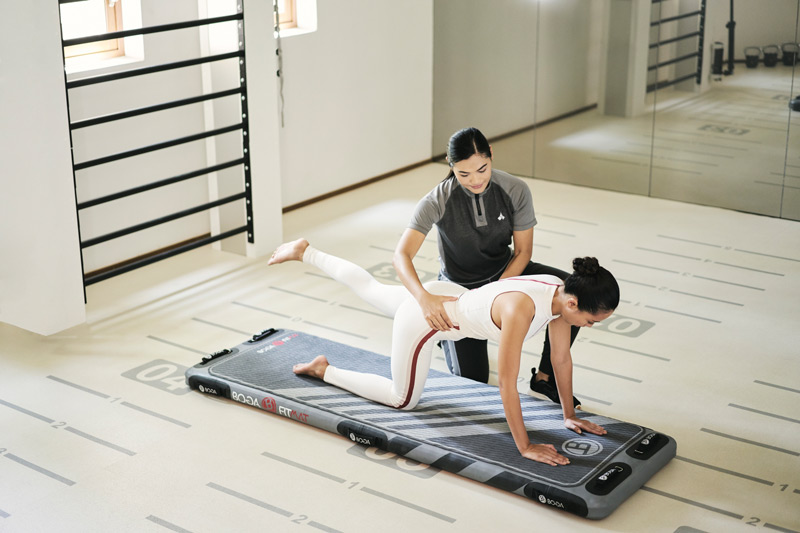
In modern society, a woman plays different roles, including a daughter, a wife, a mother, a friend, and a professional. Juggling between all these roles is quite challenging and often leads to a loss of self-identity. As a woman, you may feel overwhelmed and emotionally burdened.
Below are a few self-care tips for women:
Practice mindfulness
Mindfulness implies living in the now. Rather than thinking about the past or the future, experience the present moment to its full extent. Breathing exercises or meditation promote mindfulness and help reduce stress.
Inner Yoga Retreat’s Yoga & Meditation Retreats provide an opportunity for women to practice mindfulness. Here, you will find the much-needed recluse to turn off the mental noise and be still in union with your true spirit.
Digital detox
Emotional balance is essential, especially in today’s fast-paced digital age, where you are constantly connected with others. Digital detox is necessary to get in touch with your true self and disconnect from the chaos.
Prioritise physical wellness
Keeping yourself physically healthy is paramount. Move your body and stay physically active. You can perform different exercises like Yoga, running, cycling, pilates, swimming, and so on.
Modern studies reveal that strength training can be beneficial for women as it enhances bone density and lean muscle mass. In the long run, it can also prevent chronic illnesses such as diabetes and heart disease.
Enroll in our Health & Fitness Retreats for Women or Pilates Retreat for Women and build sustainable health. We offer personalised exercises and wellness routines for women of all ages with unique needs.
Take rest when necessary
Rest is not an option; rest is a necessity. Your body speaks, so listen to it telling you it is tired rather than soldiering on. Be it a five-minute break, a silent nap, or a day off, rest clears your head, balances your hormones, and helps rejuvenate your emotional power.
Stress Management for Women: When Your Mind Won’t Slow Down
Women bear an unseen burden, the emotional weight of planning, worrying, remembering, and nurturing. Even when your body is not moving, your mind is still racing through to-do lists, conversations, and thoughts about the future. It is not a sign of weakness; this constant mental hyperactivity is your nervous system in the fight-or-flight position. To break the cycle, you don't need more discipline; you need softer tools.
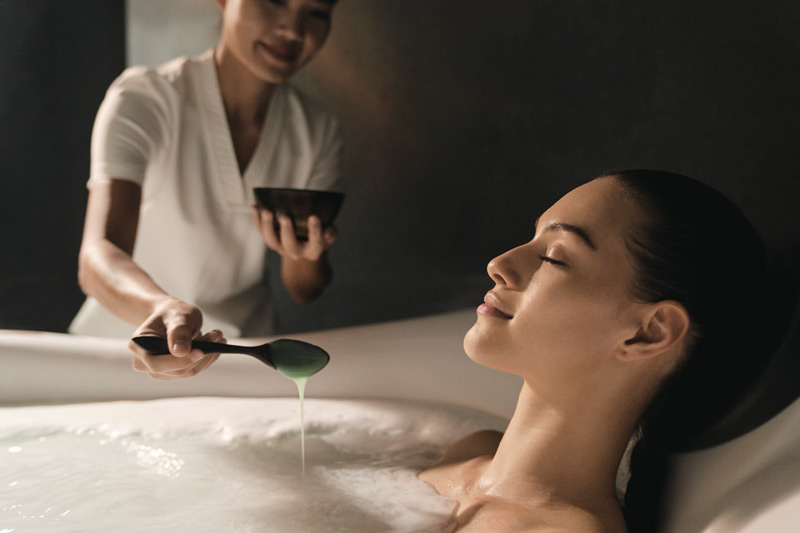
Breathwork & Mindfulness for Women
When you are going round and round in your thoughts, you can hardly think logically, but you can always breathe. Attempt breathing in 4 counts, breathing out in 6. The elongated exhale activates the parasympathetic system, naturally switching your body to a state of calmness.
Remember, mindfulness is not solely about clearing your mind; it is about settling back to the present.
Choose Nature Therapy
The oldest medicine on earth is nature. In case you feel anxious, sit or walk barefoot on grass, under a tree, or in front of flowing water to help release accumulated stress in your body. Research has proven that even 20 minutes in the open air can lower the levels of cortisol. Yet you do not need to be a scientist to know what your heart can feel. The earth makes you relaxed. It holds what you can’t carry.
Let others care for you
There is a point when breathing and journaling no longer feel sufficient, not because you are not doing something right, but because there is some kind of deep healing that demands holding back. When you have been strong for too long, then it may be time to have support come to you. A stress management women's retreat, such as one at Inner Yoga Retreats, offers that and more. It is a place where your nervous system is relaxed, your emotions are heard, and everything is offered to you, not forced upon you.
Maintaining balance is key to self-care. Learn how yoga can help you achieve harmony between work and life in our guide on Yoga for Work-Life Balance.
Holistic Self-Care by Life Stage
Being a woman is a beautiful experience, and self-care is not a one-size-fits-all thing. What sustained you in your 20s won’t sustain you in your 40s or 50s. Respecting your body and feelings is the secret to women's health at all ages, and it forms the foundation of long-term energy, sharpness of mind, and emotional stability.
Menstrual Health & Self-Care
The menstrual cycle is an inconvenience every month; it is an important indicator of your physical and emotional well-being. During menstruation, your energy is low, which is why you need to take good care of yourself during such days. Light yoga or easy strength training may help alleviate muscle cramps. You can also calm your mind with bubble baths, warm compresses, or meditation. Be thankful to your body every month, rather than dwelling on pain; turn this period into a reflection and love for yourself. Nutrition also has a part to play: consuming iron-rich foods, staying hydrated, and eating well-balanced meals will help boost your physical and mental energy.
To get more emotional release, consider programs with a more emotional orientation, such as Women’s Emotional Wellness Programs offered by Inner Yoga Retreats. It provides a secure environment to reconnect with yourself and gain a balance.
Self-Care for Women in Their 40s
The 40s usually come with a change of hormonal balance, work demands, and family issues. Women's stress management is essential at this stage. The practices of mindfulness, including meditation, journaling, or guided yoga, can assist you in manoeuvring both external and inner changes. Intensity training and health-oriented movement will keep your energy levels up and preserve your muscle mass. You can also restore your mental and physical reserves after spending an hour at a spa or taking a brief retreat.
Such tiny daily self-care routines, such as five minutes of morning meditation or mindful tea breaks, add up to major transformations in the long term. To enhance immersion, a wellness weight loss retreat or women's yoga wellness retreat program at Inner Yoga Retreats offers well-structured instruction and community support.
Self-Care for Women Over 50
With the onset of perimenopause and menopause, the needs of your body change once again. Sleep disorders and hormonal fluctuations, as well as energy fluctuations, are a usual occurrence, and holistic self-care practices among women have never been so significant. Light exercises like Pilates, yoga, and walks in nature help maintain flexibility and vitality, and Ayurvedic self-care for women balances their digestion, circulation, and hormonal cycles.
Emotional self-care becomes equally important. Meditation, mindfulness as a woman, and rituals of self-compassion can help you accept this stage with dignity. Additionally, spiritual self-care rituals can foster your purpose and sense of belonging. Women's spa and pilates retreats offer time to rejuvenate, meet people, and acquire new practices that will allow them to be more successful in the physical, mental, and emotional realms.
Keep in mind, you are not getting slower - you are changing. With each passing stage of life, you get another chance to find your strength, respect your body, and get to know yourself better.
Rejuvenating self-care goes beyond routines—experience the healing touch of Ayurveda. Learn about Abhyanga Ayurvedic Massage Therapy and nurture your body and mind naturally.
Final Reminder: You Deserve to Be Cared For Too
You have been giving years to your family, to your friends, to your work, and to your community. But you have always been the most valuable individual to nurture. Self-care is not hedonism; it is a radical expression of self-love.
You can recharge your mind, body, and soul every time you take a break in life, whether by stopping to breathe, moving, or doing something else. Everything you do becomes more alive, more present, and more worthwhile.
One needs to remember that self-care is individual. It might be your weekly spa day after a long weekend, some brief meditation time, a mindful stroll in nature, or even an immersive retreat that will enhance your energy and balance. Before your body starts screaming, listen to its cries. Be respectful to your feelings, admire your energy, and allow yourself to be conscious of well-being.
When you are ready to dive further into the world of self-care, you can always enter a space designed to meet the needs of women like you. Here, you are nurtured in an environment that does not judge but helps your mind, body, and soul flourish.
The Women’s Wellness Retreat of the Inner Yoga Retreats provides a whole-dome mindfulness, emotional, fitness, and rejuvenation program curated especially for women.
You deserve this. Choose yourself today. Get into your power, get yourself alive again, and get your light shining so brightly.
Frequently Asked Questions
01. What is self-care, and why is it important at every stage of a woman's life?
+Self-care refers to self-nurturance of your body, mind, and spirit. As a woman, it is imperative at all stages of life since the body and emotions change during menstruation, perimenopause, and menopause. Self-care aids in dealing with hormonal changes, energy, mental health, and resiliency.
It could be a few conscious minutes a day, some movement, or simply thinking about yourself. Regular self-care will keep you balanced, energized, and in touch with yourself. It allows you to be content in every aspect of your life and respectful of your own well-being.
02. How can women improve their emotional well-being naturally?
+Emotional health flourishes when you respect how you feel, establish limits, and establish patterns of support. Journaling, meditation, mindfulness, and such practices will help you go through feelings without being judgmental. Time in nature, the company of helpful friends, and creative sources de-stress and foster happiness.
Individuals who practice gratitude on a daily basis change the emphasis from scarcity to abundance. The use of a light exercise, such as yoga or Pilates, is beneficial to the mind-body connection.
To receive additional mentoring, there are women-oriented emotional welfare programs that provide step-by-step support and can help you regain your strength and restore balance in your daily life.
03. How can busy women incorporate self-care into their routines?
+One minute may count a lot. Start small: a five-minute morning meditation, a conscious cup of tea, or a walk at lunchtime. Include some form of strength exercises, stretching, or breath work in your day to boost your energy level.
Social media restrictions, work boundaries, and gratitude can be helpful. The easiest rituals, such as journaling, skincare, or mindful breathing, can restore you without taking away any time.
Everything depends on consistency, like daily self-care; even a short schedule makes a person stronger and keeps his/her mental, emotional, and physical health.
04. How can self-care help manage stress and burnout for women?
+Self-care restores your nervous system and your depleted energy. Practices such as mindfulness, meditation, yoga, and breathwork lower cortisol levels and soothe the mind.
Movement, outdoor activities, or even rest when necessary all contribute towards your body's healing. Boundaries also come about due to self-care, and you can say no without feeling guilty.
Stress management retreats targeting women provide a restorative experience for your mind and body, helping you avoid burnout. By putting yourself first, you can be more focused, less sensitive, and more determined in facing your challenges with a fresh, clear, and strong mind.
05. What self-care practices are important during menstruation?
+When you are on your menstrual cycle, your energy levels tend to vary, and thus, soft self-care is obligatory. Light yoga, stretching, and restorative movement are practices that relieve discomfort, while warm baths and heat are used to relieve cramps.
Emotional changes are processed with the help of mindfulness and journaling. Eat well by choosing foods high in iron, drinking water, and eating equal portions of food.
Take a break when you need to and respect that your body needs to move more slowly. This is the time to practice gratitude and self-compassion, turning menstruation into an opportunity to reflect and self-nurture, so you can reconnect with your body and accept natural rhythms.
06. What can I expect from a self-care retreat for women?
+A self-care retreat provides time to relax, contemplate, and rejuvenate. Guided mindfulness sessions, yoga, Pilates, or Ayurvedic self-care practices will be expected, along with workshops on emotional wellness.
The retreats offer restorative food, physical exercises, spa, and self-reflection. You will find like-minded women and support each other through growth.
The atmosphere stimulates relaxation, reduces stress, and fosters a habit that can be carried home. Inner Yoga Retreats deliver an experience that is holistic and revitalizing to your mind, body, and spirit, and also equips you with the tools to maintain self-care.
07. How can mothers include self-care in their busy schedules?
+Mothers tend to put others first, yet it is necessary to take care of oneself to stay energetic and patient. Include small, manageable practices such as five-minute meditation sessions, mindful breathing during nursing, or a brief walk with children.
Self-care activities, such as making nourishing meals or planning movement during school time, can be done in intervals. Delegate tasks and request assistance without guilt.
Even the brief rituals, such as a warm bath or writing at night, are a difference. Through example, you can learn to value the importance of self-care, foster personal mental, emotional, and physical health, and prevent burnout by setting an example to children.
08. What holistic self-care practices help during menopause?
+At menopause, hormonal changes have an impact on sleep, mood, and energy levels. The holistic self-care incorporates light yoga, pilates, and strength exercises to keep the body active and flexible.
The emotional balance develops through mindfulness, meditation, and journaling. Diets with a high level of phytoestrogens, calcium, and antioxidants help in maintaining hormonal health.
One of the ways of harmonizing the body and mind is through Ayurvedic self-care massage, the use of herbs, and warm rituals. Guided programs and retreats offer systematic rejuvenation possibilities, giving women a way of coping with perimenopause and menopause with dignity.
The combination of spiritual and emotional self-care will make this stage in life a period of wisdom, rejuvenation, and inner strength.
09. How does mindfulness support women's wellness?
+Mindfulness teaches your mind to be in the present, making it less ruminative and stressful. Meditating in the present allows you to become mentally clearer, emotionally resilient, and energetic.
Mindfulness is beneficial: meditation, breathwork, or even mindfulness walking can be used to control mood and promote self-compassion. Mindfulness also improves your relationship with your body, promoting healthy living habits, restorative sleep, and balanced hormone levels.
To women who have many roles in life, mindfulness as part of life gives them a stable reference point, lessens stress, and enhances the strength of the mind-body relationship, setting the stage to support the emotional and physical health of the body.
10. What role does nutrition play in self-care for women?
+Self-care is based on nutrition. The food products you eat directly influence energy levels, mood, hormonal balance, and wellness. Mental and physical vitality is achieved through eating balanced meals that contain lean proteins, healthier fats, whole grains, and fruits and vegetables rich in nutrients.
Hydrating and conscious eating improve digestion and body consciousness. Modifying nutrition to life stage - high amounts of iron during menstruation, calcium, and phytoestrogens during menopause - add to your self-care measures.
Considerate nutrition enables women to feel empowered, energetic, and resilient, supporting the connection between women's health at any age and their daily self-care practices.