


At the calmness of dawn, when the world seems quiet and full of fresh energy, a healing yoga practice can offer something unique - a point of connection between mind, body, and spirit.
It is not just a workout, but a spiritual journey to harmony, personal discovery, and overall well-being. Yoga meditation helps us synchronize our breath and movement, awakening the power within.
Every yoga pose turns out to be a discovery. With the flowing movements you experience, your body relaxes as your mind focuses.
Studies show that yoga exercises lead to increased mental sharpness, heart strength, and emotional wellness.
Are you willing to start your path towards balance and self-healing?
Now enjoy the transformational effect of yoga through our Yoga Meditation Program.
Revive, reconnect, and reawaken - one mindful breath at a time.
Yoga and Its Advantages
Yoga is not just movement; it’s a sacred dialogue between your body and soul. Every breath becomes a step toward balance, every posture an invitation to rediscover inner peace.
Understanding the Essence of Yoga
The term "yoga" originates from Sanskrit and translates to "union," referring to the art of uniting the mind, body, and soul. It is based on ancient wisdom, which educates on awareness, discipline, and an inner relationship with oneself. Unlike other exercises, yoga is a practice that works on both the inner and outer being, yielding a profound sense of peace and energy.
Exploring the advantages of Yoga
Flexibility or balance is only a small part of the benefits of yoga. Yoga is beneficial in lowering blood pressure, boosting the immune system, and improving heart health.
It also alleviates chronic pain, enhances posture, and develops physical strength. At a psychological level, yoga helps lower stress, improve concentration, and enhance emotional stability.
Research indicates that yoga practice activates the parasympathetic nervous system, allowing the body to relax and restore. Through regular practice, yoga can be both preventive and therapeutic, helping to maintain overall wellness.
With the help of yoga, we can tap into the natural healing power of our body and address all our needs - both physical and spiritual. Indeed, the physical health of yoga speaks volumes of the intention: to enable us to live a balanced, thankful, and conscious life.
What Is the Importance of Yoga in Our Lives?
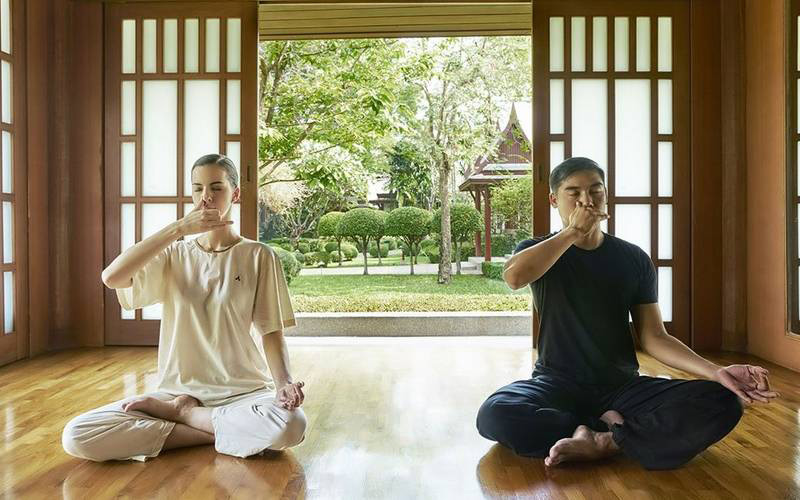
In a world that rarely slows down, yoga reminds us to pause and take a breath. It’s a gentle return to ourselves - where clarity, calm, and purpose naturally unfold.
Reconnecting Through Stillness
Yoga helps us pause and breathe in the busy environment of the modern digital era, where a plethora of motion and noise surrounds us.
It teaches us to go home, to ourselves. Yoga holds significant importance as a means of reconnection. Every breath, stretch, and rest is an act of mindfulness, which teaches us to listen to our body and love our spirit.
Finding Balance and Harmony
The answer to why yoga is relevant in our lives is easy: it creates balance. Yoga practices and conscious breathing help us to be more patient, resilient, and calm. Yoga also makes us feel grounded when life becomes overwhelming, and it boosts energy when we are depleted.
It also fosters compassion, not only to other people, but also to ourselves. When we can synchronize the mind and the body, we feel more grateful and more focused; naturally, we are healed.
Yoga is not just a wellness thing; it is a philosophy of living. It teaches that well-being is harmony - the condition in which body, mind, and soul are in harmony with each other. We can truly be free in that balance.
How to Practice Meditation
Meditation is where silence speaks and the soul listens. It’s a daily meeting with your most authentic self, a space where stillness heals what noise cannot.
So, let’s understand how to practice meditation correctly.
Creating the Right Space
The soul of yoga is meditation, the point of convergence between movement and stillness, awareness and peace. To meditate, start by finding a quiet and calm environment. Sit upright with a relaxed posture and shoulders. Please close your eyes and focus on the breath. Feel each inhale as your chest expands, and every exhale releases tension.
Building a Consistent Routine
Start small. Spend five minutes a day in meditation, and then as you become more focused, increase the time. The only thing that matters is consistency. This practice gradually turns into a refuge of the mind of your own - a state where you find sanity instead of confusion.
How to Do Meditation at Home
When you are investigating how to meditate at home, prepare a sacred space with serene energy. Bring tranquillity by adding a candle, soothing music, or incense. Be mindful when walking, eating, or even listening. Such small experiences enhance consciousness and lead to mental health.
The restorative effect of yoga starts to appear through daily meditation, which involves synchronizing your breath, body, and soul in perfect harmony.
Find your stillness - start your meditation practice and awaken inner harmony with Inner Yoga Retreats.
Looking to extend your healing beyond daily practice? Discover why a wellness vacation is the ultimate gift of self-renewal.
What to Think During Meditation
Let thoughts drift like clouds and focus on the light within. Meditation isn’t about controlling the mind, but freeing it, one mindful breath at a time.
Observing the Mind with Kindness
The idea of the process of meditation is not to cease your thoughts but to see them flowing without judgment.
When your mind is going in another direction, you can just observe and get back to your breath. This subtle understanding brings about tranquility and fosters emotional stability.
Choosing Thoughts that Heal
When being in meditation, one should think of calmness, thankfulness, or healing light. You may repeat to yourself affirmations such as, 'I am safe,' 'I am whole,' and 'I am at peace.' These positive thoughts boost your energy and help put your mind and body back on track.
In the long run, the habit fosters psychological sanity and composure. It silences your inner conversation and puts you on the path of self-healing and consciousness.
You welcome harmony to your heart when you decide on healing thoughts. It is here that yoga and meditation intertwine with each other, a place of love, tranquility, and rejuvenation.
Benefits of Yoga
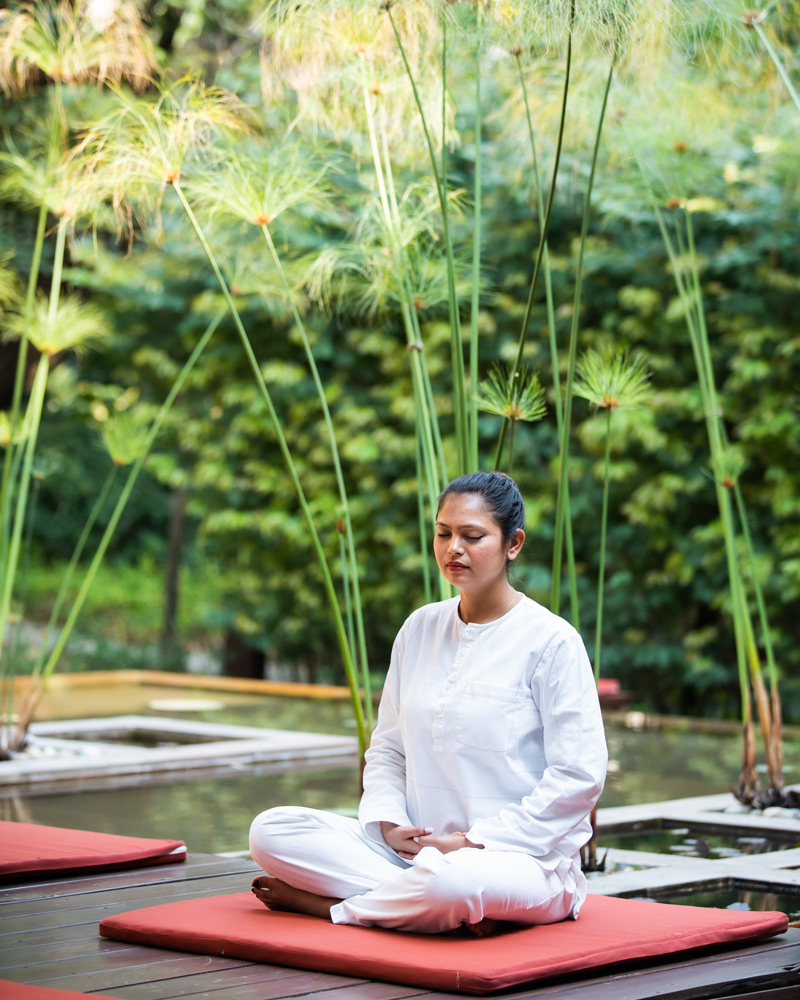
Every pose is a prayer, every stretch a release. Yoga heals, strengthens, and awakens - uniting the physical and the spiritual in a dance of harmony.
Let’s deep dive into uncovering the emotional, mental, and health benefits of yoga.
Discovering the Power of Yoga
The advantages of yoga are far beyond the mat. It is a process of change that strengthens the body, calms the mind, and uplifts the spirit. Practicing yoga daily can improve both your physical and mental health, and it helps balance your entire system.
Physical Benefits of Yoga
Yoga is a whole-body experience. It promotes flexibility, stamina, and strength through conscious mind and physical postures.
Research indicates that yoga can help reduce blood pressure, lower the risk of heart disease, and improve circulation. It also improves joint mobility and muscle tone.
Some of the main physical benefits include:
- Improved flexibility and posture
- Enhanced power and strength
- Increased lung and heart capacity
- Reduced chronic pain and stiffness
- Improved digestion and kidney health
- Stronger immunity and higher energy levels
- Reduced fatigue and inflammation
- Balanced hormones and improved reproductive health
Mental and Emotional Benefits
The psychological advantages of yoga are even more impressive. Every yoga posture relieves the body of emotional tension and stress. Yoga reduces anxiety, enhances concentration, and promotes sleep through slow, controlled breathing and a calm, focused mind.
Emotional benefits include:- Reduces stress and anxiety
- Increases mindfulness and self-awareness
- Enhances emotional stability
- Promotes love and self-acceptance
- Improves clarity and mental relaxation
Healing and Yoga Connection
These physical and emotional advantages, over time, bring about a special kind of synergy- the ideal combination of healing and yoga. This union restores balance, revives vitality, and enhances the mind-body connection.
Yoga is not just an exercise; when performed regularly, it becomes a therapy that soothes both the body and the soul. It serves as a reminder that wellness begins from within.
In this adventure, it is not only about moving your body but also about opening your soul. And that is really the healing powers of yoga.
Yoga for Stress Relief
When the world feels heavy, yoga teaches us to exhale the chaos and inhale peace. It’s where calm begins, within your own breath.
Find out about the benefits of yoga for stress relief. Yoga soothes the physical stress and emotional strain through light poses, deep breathing, and mindfulness. It stimulates the parasympathetic nervous system, which facilitates balance and relaxation.
Additionally, regular yoga practice enhances concentration and stamina in the face of stress. You may indulge in a morning flow or evening meditation; yoga establishes a soothing rhythm that restores harmony. As time passes, you will feel better, sleep more soundly, experience less anxiety, and be in a better mood.
Simple stretches and slow breathing are a good start. Slowly, your body will learn to relax, and your mind will follow suit.
How to Reduce Stress and Anxiety
You don’t need to escape your thoughts, just learn to breathe through them. Yoga and mindfulness transform anxiety into awareness, tension into tranquility.
As a way to alleviate stress and anxiety, start by paying attention to your breathing. Long, slow breaths stimulate relaxation. This should be combined with yoga or meditation to relieve stress. Additionally, exercise every day - even a little stretching can improve your mood.
Maintain a healthy schedule and ensure adequate rest and nutrition. Do not multitask, but concentrate on one task at a time. Besides, be thankful and mindful, as this can positively impact your attitude. Being in touch with nature or writing in a journal can also help alleviate worry.
The habits eventually get your brain to relax. Regularity is essential — little, conscious actions bring permanent changes in mental health.
Ready to extend your healing practice into every day? Explore how yoga can restore work-life balance
Yoga for Mental Health
True healing begins when the mind finds stillness. Yoga clears the fog of worry and opens the heart to balance, clarity, and quiet strength.
Mental health yoga establishes equilibrium between mind and body. It helps to lower anxiety, mood, and emotional stability. Through conscious movement and breathing, yoga helps eliminate accumulated tension.
Moreover, it elevates serotonin levels, making one happier and more focused. Regular practice enables regulating sleep and developing the ability to cope with everyday difficulties. Meditation and pranayama enhance awareness and decrease negative thoughts. Later on, you become increasingly focused, and your emotional balance is restored. Yoga, with every session, brings about a sense of peacefulness and clarity.
Thus, the integration of yoga into everyday life promotes permanent long-term health and harmony within the soul.
Yoga for Emotional Healing
Emotions are energy, and yoga helps them move, release, and transform. Through breath and presence, you find peace in the very places that once felt heavy.
Yoga for emotional healing transforms pain into peace through mindful movements. It enables the emotions to come out safely and gently. Breathwork and heart-opening are used to discharge grief, anger, or anxiety.
Also, meditation fosters forgiveness and self-acceptance. Eventually, the process will revive emotional stability and inner strength. Yoga teaches being present - experiencing, rather than repressing, feelings. With time and practice, fear and sadness are replaced by compassion and a sense of calm.
Yoga, therefore, turns into a journey of emotional healing and realization. Every breath heals, and every pose rejuvenates, helping you to experience emotional freedom and wholeness.
Yoga heals the body — but what about the heart and mind? Discover the stages of emotional healing and move toward true wellness.
Yoga for Women’s Health
Healing isn’t about fixing; it’s about returning to wholeness. Yoga is the gentle guide that leads you there, breath by breath, moment by moment.
The benefits of yoga for women go way beyond physical fitness. Yoga helps balance hormones, promote reproductive health, and alleviate menstrual issues. In addition, it strengthens bones, makes them more flexible, and improves emotional well-being.
Women reestablish with their inner rhythm through their conscious breathing and gentle movements. Consistent exercise also helps to decrease stress and increase energy.
Yoga takes care of the body whether in pregnancy, menopause, or in daily life. It enables women to accept both strength and softness in equal measure. And ultimately, it turns out to be a sacred space—a place where harmony, beauty, and self-love are bound to flourish.
The Healing Power of Yoga
Explore the profound connection between yoga and wellness, as well as its role in spiritual healing.
Yoga calms the mind and opens the heart, providing a space in which profound transformation can occur. The body can release old tension through movement and stillness, embracing peace. Additionally, consistent practice leads to physical strength and emotional clarity.
Every inhalation is a reminder of existence and regeneration. When you synchronize body, mind, and spirit, you unravel the feeling of harmony. Yoga explains that the healing process starts when you listen to yourself. Thus, each pose is a prayer, each breath is a way of becoming complete.
Yoga lifts your spirit, and Abhyanga nurtures your body. Discover the benefits of this Ayurvedic oil massage as part of your healing ritual.
Departing Thoughts
Yoga is not just a practice; it is a journey of self-discovery and transformation. Every breath brings in peace, every pose brings in consciousness.
Discipline and devotion can teach us to release, to become, and to follow the rhythm of life. Additionally, yoga teaches us that we already possess the healing within ourselves.
As we proceed with purpose and with breaths of love, change will naturally occur. Finally, yoga is not about perfection. It is a matter of presence - returning to yourself, one breath at a time.
Awaken your energy and restore harmony - explore yoga for wellness with us and experience true balance.
Frequently Asked Questions
01. What is yoga for healing?
+Yoga is a healing practice that involves body, mind, and spirit in restoring balance and well-being. It is a combination of physical postures, breathing exercises, and mindfulness practices designed to relieve stress and promote inner peace. With regular practice, yoga can help reduce stress, increase flexibility, and foster emotional clarity.
Additionally, it promotes the body's natural healing process by enhancing blood flow and calming the nervous system.
As a physical healing tool or an emotional restorative practice, yoga is a gentle yet powerful means of fostering unity and self-exploration, thereby forming an integral component of overall well-being and self-discovery.
02. How does yoga promote physical and emotional healing?
+Yoga fosters physical healing by enhancing posture, flexibility, and muscle strength. It improves blood circulation and oxygenation, which accelerates healing and helps in strengthening the immune system.
Yoga relaxes the mind emotionally through mindful meditation and breathing. It helps in alleviating anxiety, tension, and resilience. Yoga will also contribute to the release of blocked emotions held in the body, promoting emotional balance and self-awareness.
Regular practice enables the body and mind to work in harmony, allowing the process of natural healing to occur. Finally, yoga not only promotes the well-being of the body but also that of the soul, building a profound feeling of calmness and oneness.
03. What are the benefits of practicing yoga for wellness?
+Yoga has a positive impact on wellness in all aspects of life, physical, mental, and spiritual. It enhances flexibility, muscle strength, and cardiovascular well-being.
Additionally, yoga helps alleviate stress, improve mood, and enhance focus. It balances the nervous system and helps to relax through mindful movement and breathwork. At a more fundamental level, yoga teaches self-awareness, compassion, and gratitude.
Regular exercise is also beneficial for immune support and improved energy circulation. Yoga, as a wellness practice, whether practiced at home or in retreats, can become a way of life, a lifestyle that fosters holistic health, emotional awareness, and long-term inner harmony.
04. How is yoga connected to mindfulness and meditation?
+Yoga, mindfulness, and meditation are interwoven. Yoga teaches the body to be still, whereas mindfulness trains the mind to be present. Collectively, they develop consciousness and tranquility.
We are mindful of movement when we consciously move in yoga postures. This awareness is then enhanced through meditation, after which the mind becomes silent and the heart is open. The two practices amplify focus and reduce stress.
Additionally, yoga and mindfulness promote emotional recovery by educating on non-judgment and acceptance. Essentially, yoga is a dynamic meditation, a divine way of bridging the body, the mind, and the spirit to encourage equilibrium and self-realization.
05. How does meditation enhance the healing process in yoga?
+In yoga, meditation helps improve the healing process by calming the nervous system and reducing stress hormones. It enables the body to enter a deep state of relaxation, making natural healing possible.
In addition, meditation enhances emotional control, minimizes anxiety, and leads to an ability to see clearly. It enhances the relationship between movement, breath, and awareness when used in conjunction with yoga. This energy becomes free-flowing, and it clears away physical and emotional blockages.
With time, meditation becomes strong and steady, and yoga turns into a potent therapy for the body, mind, and soul.
06. What is yoga therapy & how does it help reduce stress and anxiety?
+At Inner Yoga Retreats, yoga therapy is a personalized approach that involves the application of yoga practices to address a specific physical or emotional issue. It involves yoga postures, breathing exercises, and mindfulness practices to aid in healing. In the case of stress and anxiety, yoga therapy engages the parasympathetic nervous system - resulting in serenity and equilibrium.
Additionally, it assists people in dealing with negative thoughts and feelings through the use of awareness and gentle movement. Every session promotes profound relaxation and fosters a deeper understanding of the body-mind relationship.
In the long term, yoga therapy enhances resilience, sleep patterns, and emotional well-being. It is a holistic and natural process for restoring peace, reducing tension, and promoting long-term mental and physical health.
07. How is yoga important to be included in our daily modern lifestyle?
+Yoga is a vital part of balance and well-being in the contemporary fast-paced world. It helps to reduce the impact of stress, excessive hours, and online overcrowding. When we incorporate yoga in our lives, we get to establish a time of being mindful and peaceful.
At Inner Yoga Retreats, one can reset the nervous system with simple exercises such as stretching, deep breathing, or meditation. Furthermore, yoga improves concentration, performance, and emotional maturity. It encourages you to take your time, reconnect, and lead a conscious life.
The practice of yoga makes our lives simpler and more organized. After all, it is not only a fitness trend, but a lifestyle that promotes holistic wellbeing and inner peace.
08. How can yoga support recovery from illness or injury and enhance healing?
+Yoga helps in healing sickness or trauma with the gentle recovery of movement and strength. Therapeutic poses enhance circulation, decrease stiffness, and accelerate healing of tissues. In addition, mindful breathing in yoga promotes oxygenation in the body, which helps the body heal naturally.
At an emotional level, it instills confidence and patience in the recovery process. Restorative yoga and meditation also lower stress, which is vital in recovery. Each of the yoga postures is a step towards physical and emotional strength.
With time, yoga cultivates self-compassion, enabling people to reconnect with their bodies. Thus, yoga is not only a therapeutic instrument but also a holistic way to full well-being.
09. How does yoga help in spiritual growth and self-awareness?
+Yoga fosters spiritual development by encouraging us to look inward. Breath and movement help us to unite with the present moment and inner self. This awareness is enhanced through meditation, which shows peace beyond thoughts and emotions.
Additionally, yoga also imparts self-control, empathy, and tolerance - attributes vital to spiritual realization. When we free ourselves from egoistic patterns, we align with authenticity and purpose. Every practice is turned into a devotion and a discovery.
Yoga cultivates intuition and gratitude over time, enabling the soul to thrive. It is not merely about the body; it is about broadening the consciousness and becoming one with all life.
10. Why is consistency important in a healing yoga journey?
+The principle of transformation in yoga is consistency. Such a healing occurs over time as the body becomes accustomed and the mind becomes relaxed. Consistent training develops power, durability, and elasticity - both bodily and emotionally.
Besides, it enhances inner peace and self-awareness. Yoga practiced every single day becomes a rhythm and corresponds to the natural flow of life. However, inconsistency will interfere with progress and equilibrium.
It takes time to heal, and by practicing consistently, you give yourself time to heal. The smallest and most consistent steps lead to lasting change.
Ultimately, consistency transforms yoga from a routine into a spiritual journey of growth and balance, improving overall well-being.