


While human needs and overconsumption have jeopardized this coexistence, the boom of eco-tourism in wellness travel has been working to restore it.
The rise of eco-tourism is triggered by the increasingly busy lifestyle, where people are seeking gateways to escape the four walls and reconnect with the natural world.
Inner Yoga Retreats cherish this bond between the environment and people through carefully planned wellness destinations. Our eco-friendly luxury resorts allow you to find the true meaning of health and wellbeing through mindful and responsible living.
Revitalize your mind and body with Inner Yoga Retreats at Ananda Spa, where mindful living meets eco-luxury.
Live in a sustainable sanctuary and experience the healing power of yoga, meditation, and the natural world.
What is Eco-tourism?
Eco-tourism promotes a more environmentally conscious way of travelling. It encourages the tourism sector to act more responsibly towards the environment for a sustainable future.
The growing concerns regarding climate change and local economic development have driven this trend.
Nowadays, tourists want more authentic experiences. They demand more cultural immersion, like exploring local cuisines, crafts, and arts. They also wish for meaningful adventures, such as wildlife safaris, hot springs, eco-stays, and nature walks.
Therefore, eco-tourism advocates for accountability in traveling, connection with nature, and community development.
Importance of eco-tourism in wellness
Eco-conscious wellness tourism underscores the importance of preserving the healing energy of nature by taking care of it. Fresh air, greenery, and clean water have an undeniable positive impact on both our physical and mental health.
Let’s dive deep into the benefits of eco-wellness tourism that has not been spoken about enough.
Mental and emotional benefits
Immersive activities within nature elevate mood and help in stress reduction. Finding solace in nature and being away from the hustle and bustle of everyday life can increase mental clarity and have a relaxing effect. Studies have shown that spending time in nature calms depression and anxiety.
Physical health benefits
In wellness tourism, people often engage in activities such as nature walks, hiking, exploring wildlife, or exercising in serene surroundings. These activities are beneficial for heart health, strengthening muscles, and overall physical fitness.
Gut health and beauty
Guests at Inner Yoga Retreats often report improved digestion and radiant skin. A healthy lifestyle, including mindful eating, locally sourced foods, better sleep patterns, and lower stress levels, soothes skin inflammation.
Overall, sustainable wellness tourism encourages you to prioritize health while being responsible for the planet and its organisms. It unites the spirit of the mind, body, and the earth.
Advantages of Eco Tourism and Wellness Traveling
The value of eco-tourism extends beyond personal health benefits. It has a more profound impact on the cultures, environment, and human lives.
Cultural awareness
Sustainable tourism offers a profound understanding of the local cultures as people engage with communities and their arts, crafts, and culinary traditions. It teaches tourists to respect the culture and diversity.
Environmental conservation
While enough has been spoken about the importance of preserving nature, eco-tourism actually encourages putting real efforts into it. More hospitality and tourism companies are adopting sustainable practices, including renewable energy, decarbonization, recycling, and reuse.
Personal growth
Wellness eco-tourism helps broaden your perspective as you start to re-evaluate your own attitudes and behaviors. It encourages you to accept and cherish diversity. You also begin to understand the value of peaceful coexistence and responsibility towards nature, the source of everything.
Community development
Ethical tourism motivates companies within the tourism market to highlight local traditions through cultural activities. Hotels and restaurants are also employing local people and sourcing locally grown ingredients. Collectively, they are contributing to economic development within these communities.
Key trends of eco-tourism within the global wellness industry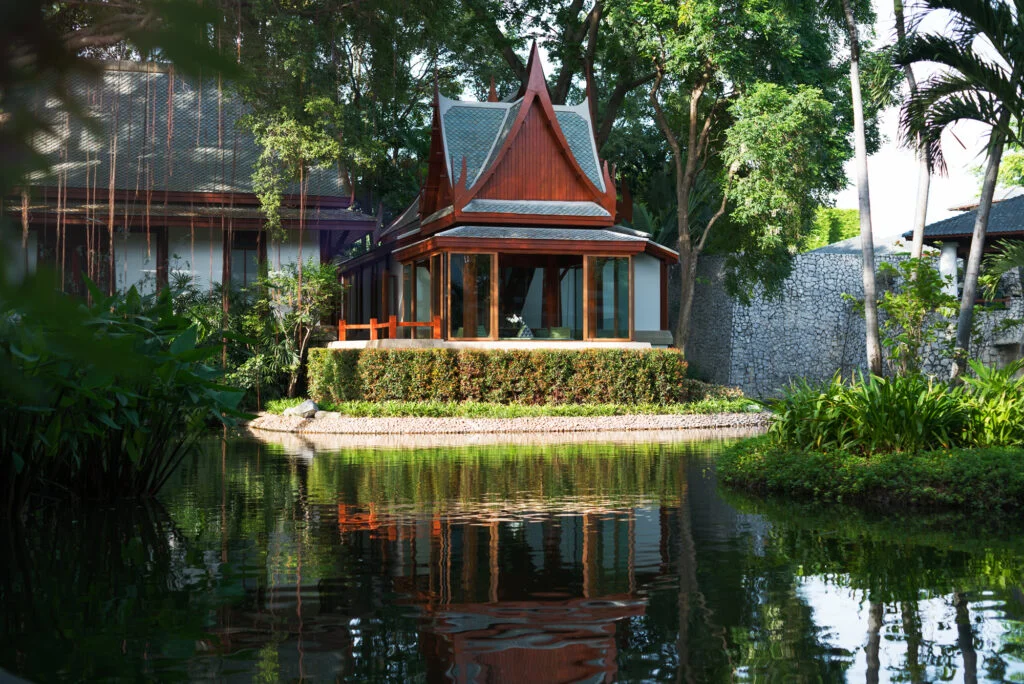
Nature-based well-being activities
Outdoor wellness has become a part of eco-tourism. Forest bathing, hiking, and outdoor Yoga are some of the ways that travelers pursue the healing benefits of nature. Many yoga and meditation retreats are arranged in the mountains or by the sea.
These are the natural environments that help stimulate mindfulness and release stress. It is all about reconnecting to the earth and enhancing physical and mental well-being.
Sustainable accommodations
Eco-conscious tourists prefer green retreats for stress relief. Such retreats bring the much-needed serenity away from the daily chaos. Some resorts and lodges utilize solar energy, rainwater harvesting, and local materials. Plant-based diet and waste minimization are becoming more popular.
These accommodations are environmentally friendly yet comfortable. The objective is to minimize carbon footprint and to maintain wellness experiences.
Minimalist retreats and slow travelling
Individuals are shunning hectic schedules. Minimalist wellness retreats promote a slow-paced lifestyle and digital detoxification. Visitors dedicate more time to meditation, write in their journals, and engage in contemplation.
This movement of slow travel prioritizes quality over quantity. It helps people rejuvenate consciously and appreciate natural environments.
Authentic cultural engagement
E-tourism flourishes on association with local cultures. Tourists participate in community-based training, traditional medicine classes, and regional cooking classes.
This fosters respect for indigenous knowledge and environmental sustainability. Interaction with locals improves cultural awareness and well-being.
Blend of adventure and wellness
Adventure is converging on mindfulness. Sports such as kayaking, mountain biking, and eco-hiking are now accompanied by guided meditation or yoga time-outs. This combination of fun and leisure promotes whole health. Tourists walk out refreshed but focused.
To conclude, eco-tourism in the global wellness sector advocates for sustainability, a mindful lifestyle, and cultural authenticity. It is a deliberate move to balance, harmony, and respect for the people and the earth.
How Inner Yoga Retreats has merged eco-tourism and wellness
Inner Yoga Retreats has established itself as an international model of how eco-tourism and wellness can co-exist. We integrate big-time travel and conscious activities, such as yoga, meditation, and holistic healing. Each retreat offers transformation, conservation, and celebration of the natural environment.
Eco-Conscious Foundations
Respect towards the Earth is the cornerstone of Inner Yoga Retreats. The retreats are set in quiet, pristine settings, such as tropical forests, seaside villages, and mountain valleys.
The major green practices are:
Employing renewable sources of energy and using solar energy.
Constructing facilities using local and natural resources.
Waste minimisation by composting and recycling.
Promoting organic and vegetarian meals made out of locally produced goods.
All the aspects of the retreat encourage sustainability. Visitors learn about the power of simple lifestyle adjustments in achieving a significant environmental impact.
Mindful Living Through Yoga and Meditation
The yoga and meditation retreats are at the heart of Inner Yoga Retreats, which help to cultivate mental clarity and emotional stability. Sessions typically take place in outdoor settings, often in the presence of forests, rivers, or beaches.
Participants practice:
Practicing sunrise yoga to synchronize with nature.
Inner peace and mindfulness guided meditation.
Sound healing and breathwork of emotional release.
The retreats also help guests to unwind, unplug, and rediscover themselves and the world. Being mindful of life becomes a way of living, rather than a temporary escape.
Before your next eco-wellness retreat, start with self-care. Discover easy wellness practices for women.
Immersive Cultural and Community Engagement
Inner Yoga Retreats takes part in local cultural activities. It collaborates with local communities to develop genuine and decent experiences.
Guests can participate in:
Traditional crafts and cooking classes.
Touring of the local farms and craft markets.
Cultural rituals by native healers.
Such interactions facilitate cross-cultural awareness and economic empowerment of the locals. Tourists go away not only with health, but with profound experiences.
Sustainable Wellness Practices
Inner Yoga Retreats Wellness is more than physical. The concept of sustainability is incorporated in all wellness programs.
This includes:
Organic herbs and oils in eco-spa treatments.
Mindful nutrition and sustainable living workshops.
Activities that are based on nature, like walking in the forest and meditating by the ocean.
The retreats redefine holistic wellness by integrating self-care and ecological consciousness. Spa and wellness tourism have become increasingly popular for their wellness benefits.
Balancing Adventure and Serenity
The Inner Yoga Retreats provide an ideal combination of relaxation and adventure through their nature healing retreats. Tourists can experience adventure outdoors and be mindful and balanced.
Activities often include:
Eco-hikes and nature treks.
Kayaking/paddleboarding, followed by beach yoga.
Meditative writing on the banks of waterfalls or forests.
Every experience renews energy and the sense of gratitude to nature.
Inner Yoga Retreats sets an example of combining eco-tourism and wellness. We demonstrate that luxury, mindfulness, and environmental friendliness can coexist.
Our approach fosters a healthier relationship between individuals and the environment through sustainable practices, cultural respect, and holistic healing. Our yoga and meditation retreats encourage travelers to live consciously, travel responsibly, and prioritize their inner and outer well-being.
Turn your eco-wellness travels into a journey of self-renewal. Read how a wellness vacation can rejuvenate mind, body, and soul.
Future of eco-wellness tourism
Eco-wellness tourism is defining the future of world travel. Travelers are demanding experiences that sustain them and the planet as they are increasingly aware of their effects on the world.
Sustainable innovation, empowering the community, and holistic well-being are the future of this industry.
Growing Demand for Sustainable Travel
Contemporary tourists are more interested in sustainability rather than luxury. Individuals desire meaningful travel experiences that encourage wellness, mindfulness, and environmental sustainability.
Future trends include:
Travel experiences that are carbon neutral.
Resorts using renewable sources of energy.
Local sourcing and hospitality, with a focus on zero waste.
Alliances with conservation initiatives.
This change is a long-term alteration in the behavior of the travelers. Eco-friendly decisions are now mainstream and not niche.
From eco-wellness retreats to daily harmony. Learn yoga techniques to balance work and life.
Rise of Digital Detox and Minimalist Retreats
With the growing digital exhaustion, a trend of minimalist wellness getaways is emerging among tourists. Such retreats promote screen break and a reunion with nature.
The eco-wellness retreats in the future will include:
Deep relaxation technology-free zones.
Mindfulness and meditation classes in the natural environment.
Unfancy, eco-friendly residential houses made out of local materials.
Focus on slow travel to reduce stress and carbon emissions.
These experiences help travelers reset their minds and benefit the health of the planet.
Integration of Local Cultures and Traditions
A significant theme in eco-wellness tourism will be cultural authenticity. Tourists will want more local interaction rather than superficial sightseeing.
Future tendencies will focus on:
Cooperation with native healers and local wellness experts.
Customary treatment with herbs, massage, and natural medicines.
Yoga and meditation retreats led by the community.
Storytelling in cultural inclusion and respect.
This will enhance cultural conservation and equitable economic gains.
Personalization and Sustainability Technology:
Eco-wellness tourism will be driven primarily by innovation. Sustainable traveling will become more efficient and personal with innovative technology.
Expect to see:
Artificial intelligence-driven wellness solutions, which rely on the needs of travelers.
Intelligent energy systems that track down and minimize waste.
Online trailers of eco-destinations.
Applications that monitor a traveler's carbon footprint.
Technology will help make the travel process more mindful and less damaging to the environment.
Expansion of Wellness in Nature
The link between well-being and nature will become stronger. Tourists will still pursue the curative power of the natural world.
The future wellness trends involve:
Forest therapy, ocean meditation, and eco-yoga retreats.
Rehabilitative tourism regenerating local ecosystems.
Mindfulness and adventure wellness safaris.
Eco-friendly tourism that contributes to the planet.
Nature will always remain at the core of the eco-wellness trend, evoking gratitude and responsibility.
Eco-wellness tourism has a mindful and sustainable future. It is a blend of responsible tourism, culture, and self-rejuvenation.
Yoga and meditation retreats, eco-resorts, and nature-based therapies will also thrive as individuals seek balance in the fast-paced world. After all, this movement of change is meant to make people and the world feel better and healthier toward each other - to form a more conscious and caring approach to the world.
Turn your eco-wellness travels into unforgettable experiences. Check out our top wellness retreats around the world.
Conclusion
The development of eco-wellness tourism is a transition in conscious, sustainable, and holistic traveling. It combines active awareness, cultural sensitivity, and environmental sustainability to bring about transformational experiences.
Due to the increasing importance of health and sustainability among travelers, yoga and meditation retreats, eco-resorts, and nature-based healing will keep growing. The future is in harmonising inner health with taking care of the planet.
The industry can lead people to envision a global movement that reunites people and nature by adopting eco-friendly practices, supporting local communities, and promoting mindful travel. Eco-wellness tourism is not a fad, but rather a path towards a healthier and more sustainable world.
Ready to start your inner healing journey? Find emotional balance and conscious change at Inner Yoga Retreats - Emotional Wellness Programs.
Frequently Asked Questions
01. What is eco-tourism in wellness travel & why is it important?
+Eco-tourism is about creating sustainable experiences that nourish both people and nature. It entails traveling to natural locations, empowering local communities, and engaging in mindful activities.
This strategy will reduce the environmental damage and encourage holistic health. The significance of eco-tourism lies in its promotion of responsible travel, reduction of carbon footprints, and enhancement of individual well-being through improved relationships with nature.
02. How does eco-tourism promote mental well-being?
+Eco-tourism offers travelers a clarity of mind, allowing them to escape the distractions of technological advances and the hassles of everyday life. The connection to nature is more likely to reduce anxiety and improve mood and mindfulness.
Hiking, yoga, and meditation are some activities that restore emotional balance. The restful environment promotes a calming nature and positive thinking. Eco-tourism is a natural therapy for the mind by emphasizing simplicity and awareness.
03. Why is eco-tourism considered a mindful way to travel?
+Eco-tourism educates tourists about their impact on the environment. It places importance on presence rather than consumption, encouraging slow travel, the consideration of local ecosystems. Tourists get to enjoy nature, culture, and sustainability.
This conscious way of living fosters a sense of gratitude, reduces stress, and promotes awareness of the environmental impact. It makes travelling a meaningful, healing experience as opposed to a hastened retreat.
04. How do yoga and meditation retreats fit into eco-tourism?
+Yoga and meditation retreats fit perfectly into the values of eco-tourism. They encourage unity between mind, body, and nature. Most retreats, such as Inner Yoga Retreats, are often held in eco-friendly facilities, like a forest or a beach.
Visitors will be mindful in a natural environment, which fosters a sustainable lifestyle and enhances well-being. These experiences foster spiritual development and ecological awareness, which bring balance and inner harmony.
05. What are the benefits of combining eco-tourism with wellness travel?
+Eco-tourism, coupled with wellness travel, offers two crucial advantages: personal renewal and ecological sustainability. The incorporation of yoga, meditation, and healthy food in the country enables travelers to adopt healthy lifestyles. Meanwhile, they are in favor of conservation and community development.
Such a balance enhances happiness, promotes resilience, and cultivates responsible tourism. This blend ensures that traveling is a curative process for both the traveler and the earth.
06. How does eco-friendly travel support the environment and personal health?
+Green tourism reduces pollution, conserves natural resources, and promotes biodiversity. The traveler who opts for green travel (through sustainable accommodations and vegan food) can reduce the amount of carbon released. On a personal level, clean, natural environments enhance mental clarity, sleep, and energy. The bond between the natural and well-being boosts immunity and emotional stability. Eco-tourism is a healthy and beneficial practice for the planet.
07. How can I plan a sustainable eco-wellness vacation?
+Begin by selecting eco-certified destinations that prioritize sustainability and well-being. Find retreats that feature vegetarian food, utilize renewable energy sources, and foster community associations.
Focus on sustainability through slow travel, waste reduction, and local experiences. For a profoundly rejuvenating experience, visit the Inner Yoga Retreats Women's Health Programmes, created to integrate conscious living, emotional stability, and overall well-being.
08. What should travelers look for in an eco wellness retreat?
+Tourists should seek resorts that utilize sustainable materials, employ renewable energy sources, and maintain sustainable operations. Real wellness, in the form of yoga, meditation, and natural activities, is necessary.
Environmental practices should be transparent. Additionally, select retreats that collaborate with local communities and offer organic food. All these make the experience beneficial to both the participants and the planet.
09. Why is combining sustainability and wellness travel becoming popular?
+Humans are becoming increasingly aware of their impact on the Earth and their own health. Sustainable wellness travel goes with such change. It gives travelers the chance to relax, recuperate, and travel responsibly.
Places such as Inner Yoga Retreats combine relaxation with environmentalism. Such a conscious equilibrium appeals to contemporary travelers who seek to experience something meaningful in a guilt-free environment that refreshes both the mind and the surroundings.
10. What are the top destinations for eco wellness retreats worldwide?
+Bali, Thailand, India, and Greece are among the top destinations for eco-wellness retreats. These areas are rich in landscapes, environmentally friendly resorts, and traditional culture.
In Europe, eco-luxury retreats like Ananda Spa are also offered in other countries such as Portugal and Greece.
Rishikesh and Kerala are among the top destinations in India for yoga and meditation retreats. Both places offer a blend of natural beauty, conscious living, and responsible tourism, perfect for rejuvenation.